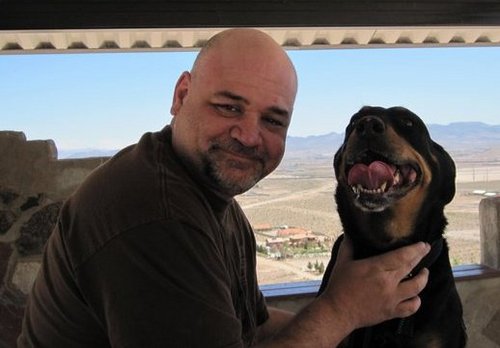
If you’ve ever stared at a rock magazine and felt the sweat, the feedback, and the questionable fashion choices of the 80s radiating off the page, there’s a high probability you were looking at a David Plastik original. While most of us were trying to figure out how to keep our Walkmans from eating tapes, David was busy capturing the visual DNA of rock and roll. He didn't just "take pictures" of the scene; he practically performed surgery on it with a shutter.
From the Concrete Jungle to the Sunset Strip
Born in the grit of NYC, David eventually realized that while New York has the attitude, the Sunset Strip in the late 70s and 80s had the neon-soaked, hairspray-heavy chaos he needed. He packed his gear and moved to Los Angeles, transitioning from the East Coast vibe to a front-row seat at the epicenter of music history. It wasn't long before his lens became the primary witness to the era when rock stars were still considered gods rather than influencers.
Witness to the Earth-Shaking Shows
When David talks about "big shows," he isn't referring to a sold-out arena; he means events that shifted the Earth’s axis. He was the man on the ground for the cultural milestones that defined a generation:
- The US Festival: Where technology and rock first shook hands in the California sun.
- Live Aid: Capturing lightning in a bottle during arguably the greatest day in music history.
- Monsters of Rock at Donington: Braving the mud and the madness where hygiene was purely optional.
- The Stadium Era: Documenting the unbridled energy of legendary tours for Van Halen, Iron Maiden, and Mötley Crüe.
A Portfolio of Gods and Monsters
David’s portfolio reads like a "Who’s Who" of people your parents probably warned you about. He has captured definitive images of the Titans (Freddie Mercury, Jimmy Page, Angus Young), the Metal Elite (James Hetfield, Dave Mustaine, Lemmy), and the Guitar Gods (Eddie Van Halen, Randy Rhoads).
But David’s true talent lay in his access. He was often a friend to the bands, capturing Guns N’ Roses before they were "The Most Dangerous Band in the World," and shooting candid hotel room sessions with Slash and Steven Adler—the kind of raw, unvarnished moments that modern PR teams would have a heart attack over.
From the Page to the Living Room
If you owned a magazine rack in the 80s, you were essentially paying David’s rent. His work became the visual language of the industry, gracing the pages of:
- Rolling Stone and Billboard for industry prestige.
- Hit Parader, Creem, and Guitar Magazine for the die-hard fans.
- Album Covers: His imagery immortalized releases like Marillion’s The Thieving Magpie.
- Soundtracks: Documenting the legendary The Decline of Western Civilization Part II: The Metal Years.
The Legend Lives On in Las Vegas
Most photographers from that era have long since hung up their straps to complain about "digital being too clean," but David is still out there grinding. Now based in Las Vegas, he’s still active in the scene, covering modern events like the Vegas Rocks Awards and contemporary tours. He has successfully bridged the gap from film and chemicals to the digital age, maintaining a massive archive of over 800 galleries that serve as a definitive visual history of rock.
Own a piece of this history: